Sustainable Structures: Sustainable Practices in Construction


In recent years, the building sector has experienced a significant shift as a answer to rising environmental issues. With the critical need to address climate change and lower carbon footprints, sustainable practices have surfaced as a vital focus for construction professionals, designers, and real estate developers. Current construction endeavors are more and more being constructed with sustainable materials and efficient systems that minimize their effect on the planet while fostering better residential and professional environments.
Sustainable designs reflect a promise not only to creativity and architecture but also to the principles of resilience and resource conservation. From the use of repurposed materials to the implementation of renewable energy sources, the shift towards environmentally responsible construction is transforming the skyline of our metropolises. This trend is encouraging professionals in the field to re-evaluate traditional techniques, prioritize sustainability, and incorporate practices that help to a more eco-friendly future. As we investigate the various eco-friendly practices in building, we discover a environment where construction and nature coexist together.
Green Resources
In modern construction, the choice of materials plays a crucial role in advancing eco-friendliness. Eco-friendly resources are those that have a reduced effect on the environment, both in their production and throughout their life span. Instances include bamboo, repurposed metal, and upcycled timber. These materials not only minimize waste but also often come with lower embedded energy, helping to reduce the overall environmental impact of a building project.
Using eco-friendly resources goes beyond just selecting eco-friendly options; it also involves considering the procurement and treatment processes. For instance, many manufacturers now concentrate on using sustainable resources and implementing sustainable plantation practices for wood products. Additionally, materials like low volatile organic compound paints and finishes aid to improved indoor air quality, enhancing the well-being of inhabitants while lessening environmental damage.
The incorporation of sustainable resources in construction not only promotes environmental conservation but can also result in cost savings over the long term. Energy-efficient materials often result in lower utility bills and lessened maintenance costs. As awareness of eco-friendliness grows, many contractors and designers are more and more favoring these resources, leading to a shift towards a more sustainable methodology in the construction industry.
Energy Efficiency
Energy efficiency in construction is becoming increasingly important as the need for sustainable building methods increases. By focusing on cutting down on energy needs, builders can reduce their ecological footprint while also lowering operational costs homeowners and businesses. Including energy-efficient systems, such as insulation, energy-efficient windows, and HVAC units, plays a significant role in developing structures that require less energy to heat, cool, and power.
Creative designs that optimize natural lighting and ventilation can significantly improve energy efficiency. For instance, strategically placing windows and using open floor plans allow for enhanced airflow and less dependence on electric lighting. Additionally, using thermal mass materials helps to control the temperature inside by storing heat during the daytime and releasing it at night. These design strategies not only improve comfort but also support the broader sustainability of the building.
The integration of sustainable energy resources, such as photovoltaic panels and geothermal systems, enhances energy efficiency in construction. By making try this site of natural resources, buildings can significantly lower their carbon footprint and use of non-renewable energy sources. As advancements in technology occur and expenses go down, adopting these environmentally friendly methods becomes more accessible and essential, paving the way for a future where efficient energy construction is standard rather than the exception.
Waste Disposal
Effective waste management is a fundamental aspect of eco-friendly building methods. The construction industry creates a substantial quantity of waste, including debris, wrapping supplies, and excess resources. By utilizing strategies such as minimizing, reusing, and recycling materials, construction projects can minimize their negative effects on the environment. For instance, contractors can conduct initial waste assessments to recognize potential waste streams and create strategies to manage them appropriately. This forward-thinking approach not only reduces landfill contributions but can also lead to reduced expenses for the project.
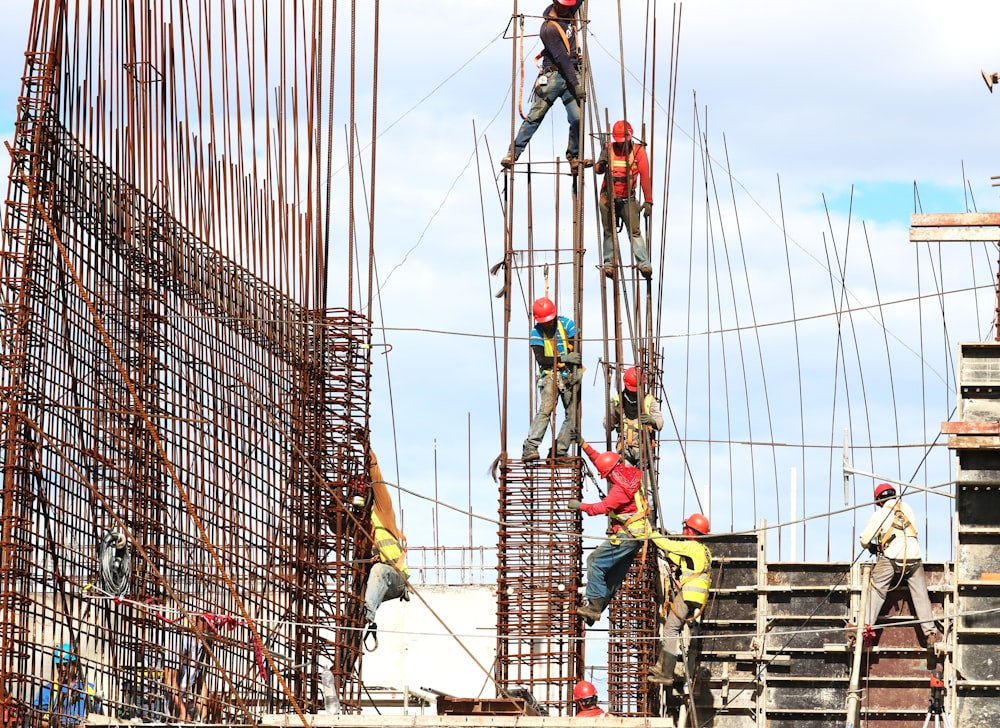
Recycling construction materials has become increasingly common, with many companies now able to retrieve metals, wood, and even masonry from deconstructed sites. These reclaimed materials can frequently serve in new projects, reducing the need for virgin resources. Additionally, giving excess materials to local charities or community projects is another valuable way to recycle surplus items, thus reducing waste while aiding the community. Such practices promote a circular economy within the construction sector.
In addition, embracing technology can improve waste management efforts on construction sites. Digital tools can help monitor material usage and waste generation, providing valuable insights into where improvements can be made. Creating site-specific waste management plans that incorporate these technologies can enhance effectiveness and sustainability. By cultivating a culture of responsibility around waste management, construction companies not only comply with regulations but also aid in a more sustainable industry overall.